

Why Water Meter Insulation Matters
Cold weather can affect water meters installed in garages, basements, crawl spaces, outdoor pits, and other areas exposed to low temperatures. At HKT LORA, we consider winter protection an installation issue that should be planned alongside metering and communications.
For property managers and system operators researching how to insulate a water meter, the goal is to slow heat loss around the meter and nearby pipes while maintaining safe access for inspection and maintenance. Insulation cannot create heat by itself, so reducing drafts and maintaining a suitable surrounding temperature are also important.
Start With the Meter Location
Before adding insulation, identify where the meter sits and where cold air can reach it. A meter beside an exterior wall, near a broken window, inside an unheated garage, or in an outdoor pit usually needs more attention than one in a conditioned interior space.
Check doors, windows, wall penetrations, crawl space openings, and gaps around service lines. New York City DEP recommends repairing damaged openings, closing outside doors and windows tightly, insulating exterior walls, and eliminating drafts from crawl spaces. These steps reduce the amount of cold air reaching the meter before additional insulation is applied.
How to Insulate a Water Meter Safely
There is no single insulation method for every meter. For exposed indoor pipework, suitable pipe insulation can be fitted around the water lines leading to and from the meter. For the meter body itself, owners should use materials and methods approved by the local utility or plumbing professional so that required access, registers, cables, valves, and service points are not obstructed.
Anyone planning winter protection should also consider moisture. Insulation that becomes wet can perform poorly and may complicate inspection. Outdoor meter pits need particular care because the enclosure, lid, drainage, and surrounding soil all influence the temperature around the meter.
Keep Outdoor Meter Pits Protected
For meters installed in pits, the enclosure is part of the winter protection strategy. New York City DEP states that an outdoor meter pit must be insulated to protect the meter in winter. American Water also advises keeping the lid of an outside meter pit tightly closed during cold conditions.
Avoid repeatedly opening the pit during freezing weather unless inspection is necessary. A secure lid helps limit direct cold air entry. Where local utility guidance permits, insulation within the pit should be arranged so it protects the meter without interfering with operation, reading, replacement, or shutoff access.
Do Not Ignore Adjacent Pipes
Protecting only the meter while leaving nearby pipes exposed creates a weak point. Water can freeze in the service line or connected plumbing even if the meter itself is partially insulated. Insulate vulnerable pipe sections and address cold exterior walls or cabinets that surround them.
When pipes or meters are located inside a cabinet against an outside wall, DEP recommends insulating the wall and opening cabinet doors so warmer indoor air can circulate. The exact approach depends on the building, but the principle is to reduce cold exposure across the complete water path rather than one component.
Use Heat Carefully When Additional Protection Is Needed
Some installations may use approved electrical heat tracing on vulnerable pipes. American Water lists electrical heat tracing wire as one option for exposed plumbing. Selection and installation should follow the product instructions, electrical requirements, local codes, and professional guidance.
Heat sources should never create a fire hazard or damage the meter. If a meter or pipe has already frozen, public utility guidance warns against using an open flame. Controlled warming with an appropriate hair dryer, heat lamp, or nearby space heater is a safer method where permitted.
How Smart Meter Specifications Fit Winter Planning
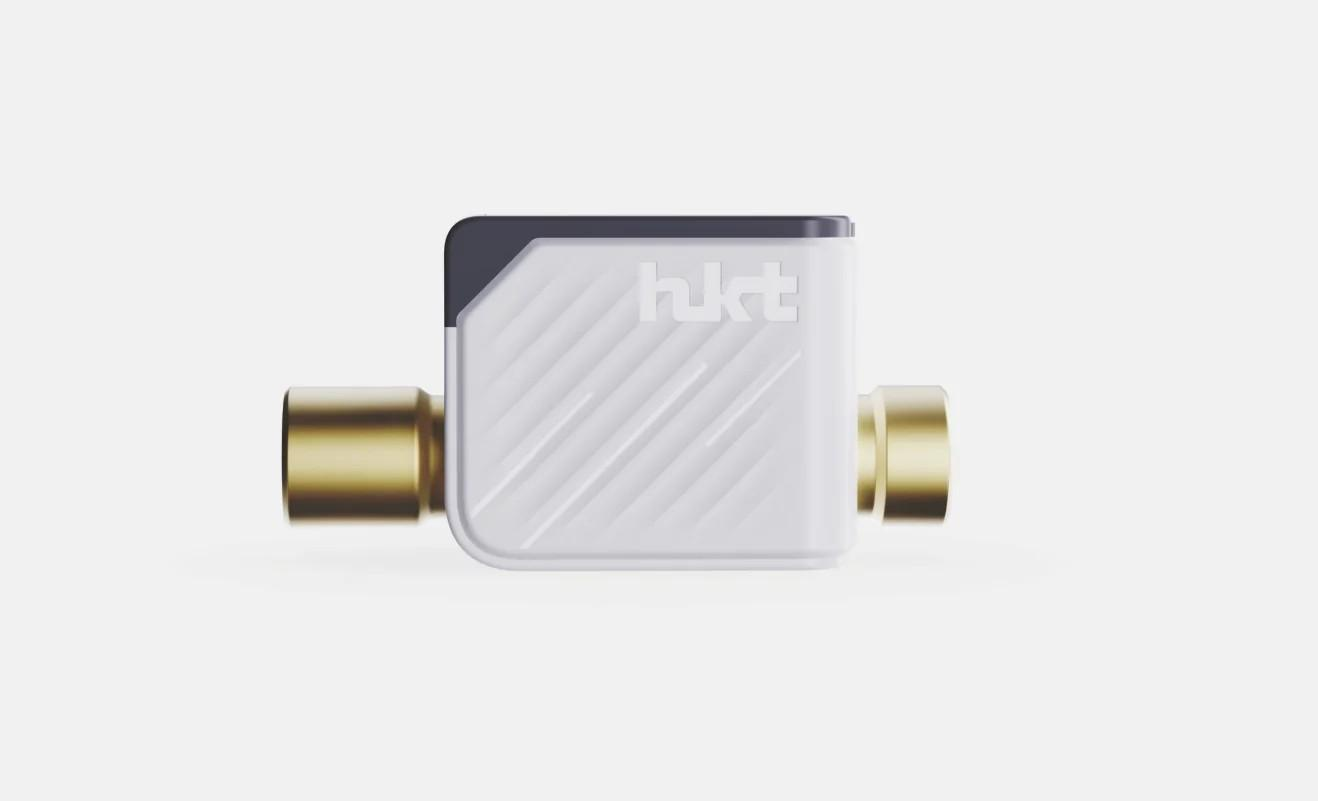
A smart meter may include electronics, wireless communication, or remote control, but those functions do not eliminate the need for physical freeze protection. Our HKT LORA LoRaWAN Ultrasonic Valve Controlled Water Meter, for example, has a published working temperature range of minus 20 to plus 55 degrees Celsius.
That figure describes a product operating specification. It should not be interpreted as proof that water inside an exposed meter installation cannot freeze. Installation temperature, water conditions, insulation, enclosure design, and local winter requirements still need to be considered separately.
For teams considering how to insulate a water meter in a connected installation, it is important to separate environmental protection from communications capability. Our product periodically transmits cumulative flow and battery level data to nearby LoRaWAN gateways and supports remote valve control, but insulation remains a building and plumbing protection measure rather than a wireless feature.
Build a Simple Winter Inspection Routine
Winter protection works best when it is checked before severe cold arrives. Inspect insulation for gaps, moisture, compression, or displacement. Check that outdoor pit lids close properly and that exposed pipe sections remain covered.
Also verify that shutoff valves remain accessible. Insulation should protect vulnerable components without making emergency isolation difficult. If the property will be vacant during cold weather, follow local utility guidance for maintaining heat, monitoring the property, and preventing water from remaining in vulnerable unused exterior lines.
A Practical Approach to Cold Weather Meter Protection
At HKT LORA, we recommend treating winter protection as part of the complete installation environment. Meter technology, wireless connectivity, and remote data functions can improve water management, while insulation and building protection address a different physical risk.
For teams deciding how to insulate a water meter, the practical approach is to control drafts, protect nearby pipes, use suitable insulation, secure outdoor enclosures, maintain safe access, and follow local utility or plumbing requirements. These measures help reduce freeze exposure without relying on assumptions about the meter technology itself.