

Installing a water meter may look like a straightforward plumbing job, but the legal and technical responsibilities are often more complicated than connecting two pipe ends. At HKT LORA, we recommend identifying who owns the meter, what purpose it serves, and which local rules apply before any installation work begins.
Property owners often have a practical question before installation: can you install a water meter yourself? The answer depends mainly on whether the device is an official utility billing meter or a privately owned monitoring meter. Utility meters are commonly subject to water authority rules, permit requirements, and inspection procedures, while private submeters may be governed by different plumbing and building regulations.
Can You Install a Water Meter Yourself
For a meter that will be used by a water utility for official billing, DIY installation is often not permitted. New York City DEP, for example, provides a water meter permit specifically for licensed plumbers who install, replace, relocate, or repair meters. Oklahoma City similarly directs customers to approved contractors and lists licensing and qualification requirements for meter installation.
These examples should not be treated as universal law because rules vary by location. They do show why a property owner should contact the local water provider before purchasing equipment or modifying the service line. The utility may own the meter, specify the approved model, determine its size, require a permit, or carry out the installation itself.
Utility Meters and Private Submeters Are Different
The purpose of the meter changes the installation question. A utility billing meter is part of the official service connection and determines the consumption used for billing. Because it sits within a regulated water supply system, the utility normally controls important requirements such as meter type, placement, sealing, inspection, and account registration.
A private submeter has a different role. Property owners may use submeters to monitor individual apartments, irrigation systems, departments, or equipment after the main utility meter. The property may own these devices, but that does not automatically make the plumbing work a DIY project. Local plumbing codes can still require licensed installation, permits, backflow protection, or inspection.
This distinction is essential when researching can you install a water meter yourself. Buying a compatible meter online does not automatically authorize someone to connect it to a regulated supply or use its readings for official utility billing.
Why Meter Sizing Matters Before Installation
Water meter selection is not based only on pipe diameter. The expected flow range, peak demand, pressure loss, application, and utility requirements can influence the appropriate meter size. An incorrectly selected meter may not suit the operating conditions even if its threaded connection appears to fit the pipe.
The installation position can also matter. Different meter technologies and models may have specific requirements for orientation, upstream and downstream pipe conditions, environmental exposure, or accessibility. Those details should come from the selected product documentation and the applicable utility standard rather than from a generic installation video.
What the Installer Must Consider
A proper installation needs more than a leak free connection. The installer may need to coordinate shutoff valves, pipe support, accessibility, service line condition, meter direction, fittings, and space for future inspection or replacement. For utility installations, seals and communication equipment may also need to remain accessible to authorized personnel.
Permits and inspections can be part of the process. New York City DEP states that its meter permit application is intended for licensed plumbers, while its reimbursable metering rules allow property owners to select licensed plumbers and require completed work to comply with applicable codes and regulations.
Where the water authority installs the meter itself, the property owner or plumber may still be responsible for preparing the service connection. Cape Coral, Florida, for example, requires a licensed plumber to complete specified connection work before the city performs the meter installation. This shows how responsibilities can be divided between the customer, plumber, and utility.
How Smart Water Meters Change the Planning
Smart meters add communications and data management to the physical plumbing installation. The meter must still be installed correctly in the water line, but teams also need to consider wireless coverage, gateway placement, device commissioning, data configuration, and connection to the intended management platform.
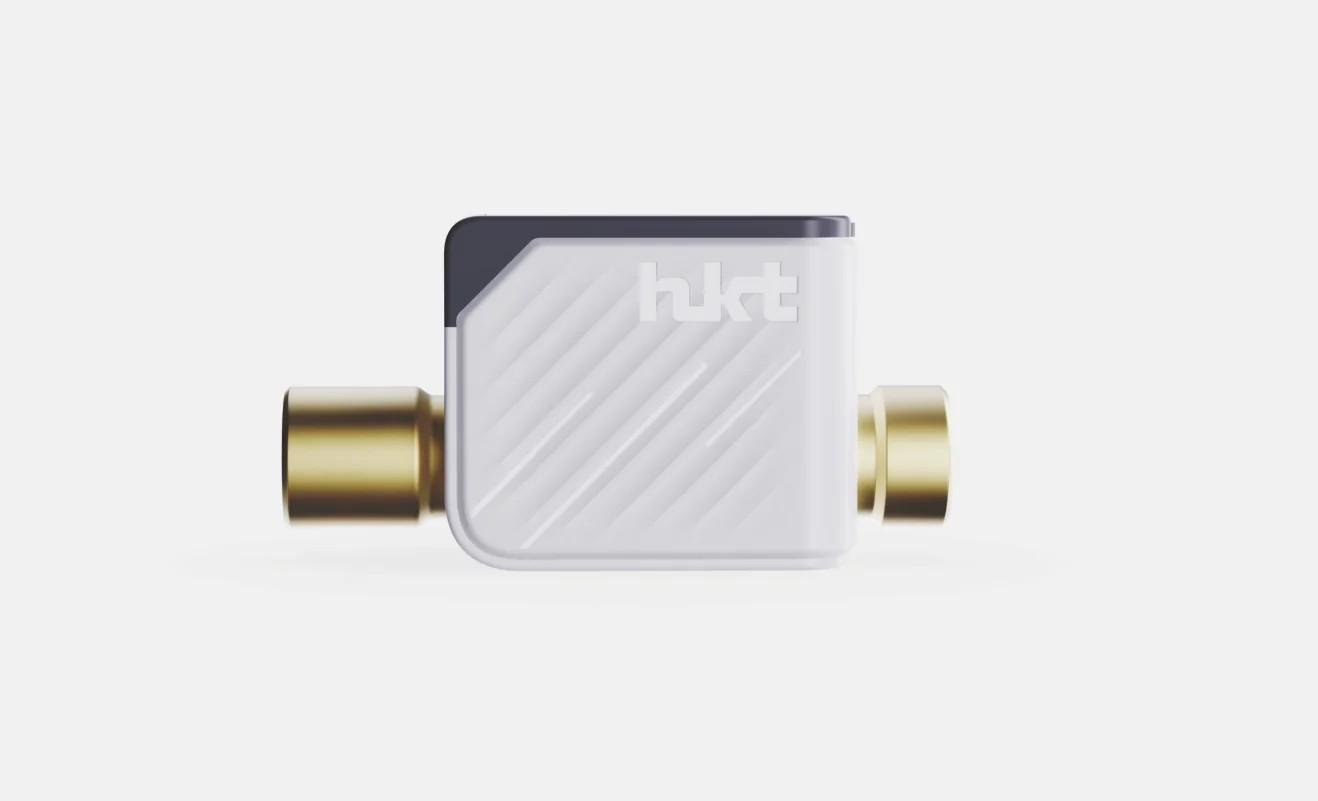
Our HKT LORA LoRaWAN Ultrasonic Valve Controlled Water Meter periodically transmits cumulative flow and battery level data to nearby LoRaWAN gateways, which then forward the information toward the cloud platform. The official product page also states that the meter supports remote valve control and local storage of data history during network interruptions.
Its published specification lists LoRaWAN options covering 433 to 510 MHz or 863 to 928 MHz and an operating temperature of minus 20 to plus 55 degrees Celsius. These specifications describe the device and its communications capabilities; they do not override local plumbing, utility, or licensing requirements for installation.
Check Authority Before Starting Work
Before starting the installation, consider this question: can you install a water meter yourself? Then identify who owns the meter, clarify its intended use, contact the local utility if necessary, review applicable plumbing requirements, and confirm whether a permit or licensed professional is required. These checks are safer than assuming that all water meters are subject to the same installation rules.
At HKT LORA, we see smart metering projects as a combination of correct device selection, compliant plumbing installation, and suitable IoT deployment. A meter may be technically simple to connect, but official billing, water safety, inspection, communications, and long term maintenance can make professional installation the appropriate route for many projects.