A water meter does not lower a bill simply because it is installed. Its value comes from making water use visible. At HKT LORA, we see metering as a measurement tool that helps utilities, facility managers, and property operators understand where water is going before deciding how to reduce waste or cost.
Cost savings do not come from the meter alone. Does a water meter save money? It can help, but only when the data leads to action. Savings may come from identifying leaks, correcting inefficient water use, understanding tariff structures, or making better operational decisions based on actual consumption.
Does a Water Meter Save Money
A meter records consumption. That information can reveal whether usage is rising, falling, or changing unexpectedly. The US Environmental Protection Agency describes meters and submeters as tools that help facility managers identify opportunities to reduce water use, find leaks or malfunctioning equipment, and track savings from efficiency projects.
The financial effect therefore comes after measurement. If a meter shows abnormal overnight use, a property manager can investigate. If a submeter shows one process using much more water than expected, operators can examine that equipment. If no action follows the data, simply having a meter does not guarantee a lower bill.
Measurement Changes the Way Waste Is Found
Leaks are one of the clearest examples. Some leaks are visible, but others can continue inside walls, underground lines, toilets, or equipment without immediate signs. The EPA notes that leak detection and flow monitoring devices can identify irregular use and help reduce water waste and damage.
A standard meter can also support a basic leak check. The EPA recommends reading the meter when no water is being used and checking it again later. If the reading changes, there may be a leak in the property. That turns the meter into a diagnostic tool rather than only a billing device.
This is why does a water meter save money should be connected to water management behavior. The meter provides evidence. The potential saving comes from responding to that evidence by repairing leaks, changing operating schedules, replacing inefficient equipment, or adjusting water use.
Frequent Data Can Be More Useful
Traditional manual readings may be collected relatively infrequently. Advanced metering infrastructure can provide more frequent consumption information. According to the EPA, AMI can help utilities improve billing, leak detection, and water resource management, while facility managers can use frequent data to understand consumption patterns and identify leaks before the next bill arrives.
Frequency matters because a monthly total tells operators what happened, while more detailed data can help show when it happened. A sudden increase during closed hours may deserve investigation, and longer patterns can reveal abnormal use.
However, more data is not automatically more savings. Organizations still need people, rules, or software processes that review the information and act on exceptions.
Submetering Improves Cost Visibility
Submetering can help organizations understand which area, tenant, process, or piece of equipment is using water. EPA guidance notes that submeters can be used internally to pinpoint problems without requiring separate utility accounts.
For commercial facilities, this improves visibility. Management can compare departments, irrigation areas, cooling systems, or other significant uses instead of treating the whole property as one unexplained total. The purpose is to identify where investigation has the greatest value.
Metering can also help verify whether an efficiency project worked. Readings before and after a change provide evidence that consumption has changed rather than relying on estimates alone.
Do Not Confuse Metering With Guaranteed Savings
Water pricing varies by utility, region, customer type, and tariff structure. A reduction in water use may reduce a bill where charges depend on measured volume, but the exact financial result cannot be predicted from the meter alone. Fixed service charges may remain even when consumption falls.
The cost of the metering system also matters. Equipment, installation, communications, gateways, software, maintenance, and data management can affect the business case. The useful question is whether better information and operational control justify those costs over the expected service period.
The EPA reports that fixing easily corrected household leaks can save homeowners about 10 percent on water bills, but that figure relates to fixing leaks, not installing a meter by itself. This distinction matters when estimating returns.
How Connected Metering Supports Management
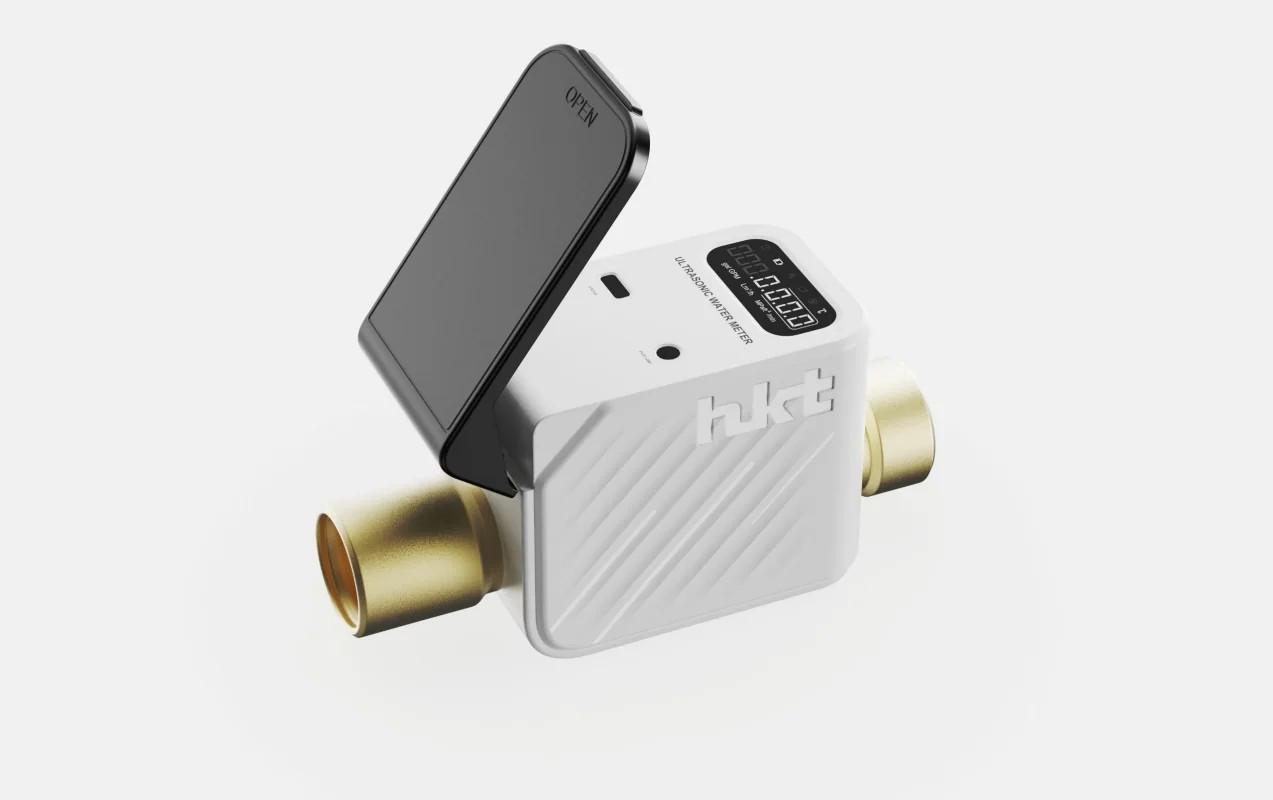
Our HKT LORA LoRaWAN Ultrasonic Valve Controlled Water Meter shows how measurement can be combined with remote data collection. Its official product page states that the device periodically transmits cumulative flow and battery level data to nearby LoRaWAN gateways, which forward the information to a cloud platform.
The product also supports remote valve control and reports abnormalities such as leaks or valve failures according to the official page. Its specification lists LoRaWAN options in the 433 to 510 MHz or 863 to 928 MHz ranges and a working temperature from minus 20 to plus 55 degrees Celsius.
These functions can support automated monitoring, but their financial value depends on deployment conditions and how operators use the information. We avoid treating connectivity itself as proof of savings.
Use the Meter as a Decision Tool
The question“does a water meter save money?”is better answered by looking at what happens after the measurement is collected. The meter can reveal consumption patterns, but savings depend on the actions that follow. Operators can use the data to investigate unusual usage, locate avoidable waste, compare consumption over time, and check whether corrective measures actually produce a measurable improvement.
At HKT LORA, we see the strongest value in making water use measurable and actionable. A water meter cannot promise a lower bill, but accurate consumption data can help users find waste, evaluate improvements, and manage water costs with greater confidence.