A sudden rise in recorded consumption can make any property owner question the meter. At HKT LORA, we recommend checking the entire measurement and billing chain before deciding that the device itself has failed. A water bill can look wrong because of actual water use, hidden leakage, an estimated reading, a communication issue, or a true metering problem.
Property owners often ask this question: can the water meter be wrong? The answer is yes, but a meter error should be verified rather than assumed. Utilities may use formal meter accuracy tests when customers believe a meter is registering incorrectly. This distinction matters because an unexpected bill can also result from actual water use, hidden leakage, estimated readings, or other issues elsewhere in the system.
Can the Water Meter Be Wrong
A water meter is a measuring device, so incorrect registration is possible if the measuring mechanism, sensor, electronics, or associated components malfunction. The relevant question is not whether an error can ever happen, but whether the meter is actually outside its accepted accuracy range under controlled testing.
Utilities use meter testing because visual inspection alone cannot establish accuracy. A meter can appear normal while its registration needs verification. Conversely, a high bill does not prove over registration. Comparing readings, checking the property for leaks, and reviewing the billing period should come before concluding that the meter itself is wrong.
Separate the Meter From the Reading System
Modern metering systems often contain more than one component. The meter measures water consumption, while an automated reading or communication device sends the recorded value to the utility or management platform. These functions should be diagnosed separately.
New York City DEP explains that when its automated meter reading equipment fails to transmit a reading, the underlying meter can still be recording water use accurately. The bill may then be estimated until an actual reading becomes available. This illustrates why a communication failure and a metering failure are not the same technical problem.
For teams trying to answer a common question — can the water meter be wrong? — this distinction helps prevent unnecessary replacement. The first step is to confirm whether the disputed figure came from an actual meter reading, an estimated bill, or another data collection method. Identifying the source of the reading makes it easier to determine whether the problem lies with the meter itself or elsewhere in the billing and data collection process.
Check for Real Consumption Before Blaming the Meter
Unexpected consumption can be genuine even when nobody remembers using more water. Toilets, irrigation systems, underground service lines, taps, and other fixtures can leak without creating an obvious puddle. A small continuous loss becomes significant when it continues for days or weeks.
One useful check is to stop intentional water use and observe whether the meter continues to register flow. The exact procedure depends on the meter and utility, but continued movement or recorded consumption can indicate water is still passing through the system. The next task is then to locate the source rather than immediately replace the meter.
Billing periods should also be compared carefully. Different numbers of billing days, seasonal irrigation, guests, maintenance work, or changes in building occupancy can alter consumption. A meaningful comparison uses similar periods and considers what changed at the property.
Understand What an Accuracy Test Tells You
A formal accuracy test measures how closely the meter registers a known quantity or controlled flow. The utility can then compare the result with the applicable acceptance criteria. If the result is within the permitted range, investigators should continue looking for other explanations for the disputed consumption.
New York City DEP allows customers who believe their meters are registering incorrectly to request an accuracy test. The existence of such procedures is useful because it replaces guesswork with measurement. Local rules, fees, testing methods, and adjustment policies vary, so customers should follow the process established by their own water provider.
An accuracy result also needs context. A meter that passes a controlled test does not explain where water was used. It only helps determine whether the meter was measuring within the required range during testing.
How Smart Meter Data Helps Investigation
Connected metering can provide more frequent information than occasional manual readings. This can make unusual consumption patterns easier to identify because operators have additional data points to compare rather than relying only on widely separated readings.
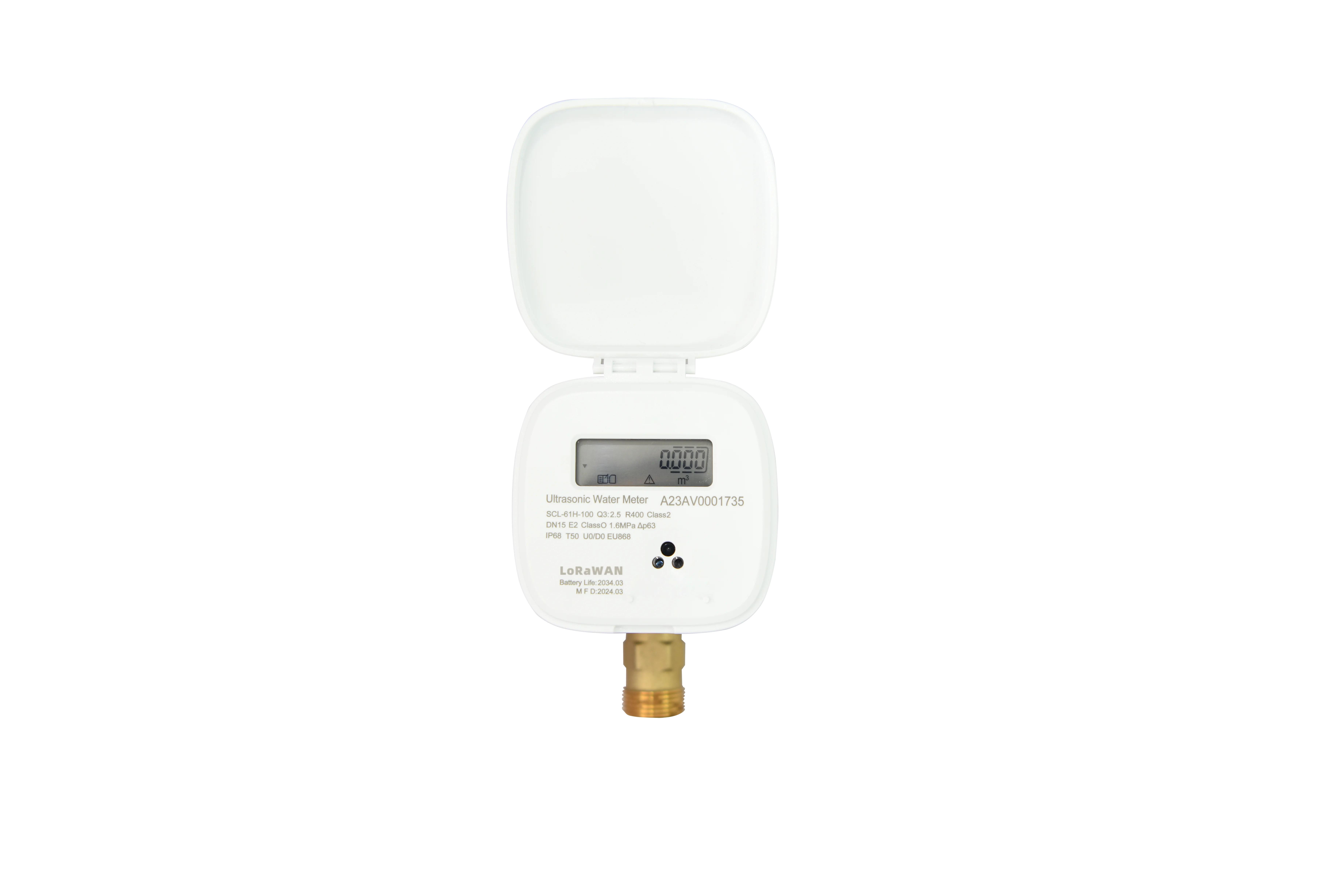
Our HKT LORA LoRaWAN Ultrasonic Valve Controlled Water Meter periodically transmits cumulative flow and battery level data to nearby LoRaWAN gateways, according to its official product page. The meter also supports remote valve control and stores data history locally during network interruptions before uploading it again when connectivity is restored.
Its specification lists LoRaWAN frequency options of 433 to 510 MHz or 863 to 928 MHz and a working temperature range from minus 20 to plus 55 degrees Celsius. These are device and communication specifications. They should not be interpreted as proof that any disputed bill is correct or incorrect.
Use Evidence to Resolve a Meter Dispute
When customers ask can the water meter be wrong, we suggest building a simple evidence trail. Confirm whether the bill uses an actual or estimated reading, compare the displayed value with billing records where permitted, check for leaks, review consumption changes, and request utility testing when the meter itself remains in question.
At HKT LORA, we see accurate water management as a combination of sound metering, reliable data transmission, correct installation, and careful interpretation. Smart technology can make consumption information easier to collect, but unusual readings still require diagnosis. Separating measurement errors from leaks, estimation, transmission issues, and real usage is the most useful way to understand what the data is actually showing.