

Low water pressure is often blamed on the water meter because every drop entering a property passes through it. At HKT LORA, we recommend separating a true meter restriction from other plumbing or utility problems before replacing equipment. A meter can contribute to pressure loss, but the cause depends on where the restriction occurs and whether the problem affects one fixture or the whole property.
When property owners ask can a faulty water meter cause low pressure, the answer is yes in some situations. An old, damaged, obstructed, incorrectly sized, or partly closed meter assembly can restrict flow. However, low pressure can also come from leaks, a failing pressure regulator, partially closed valves, service line problems, or reduced utility supply pressure.
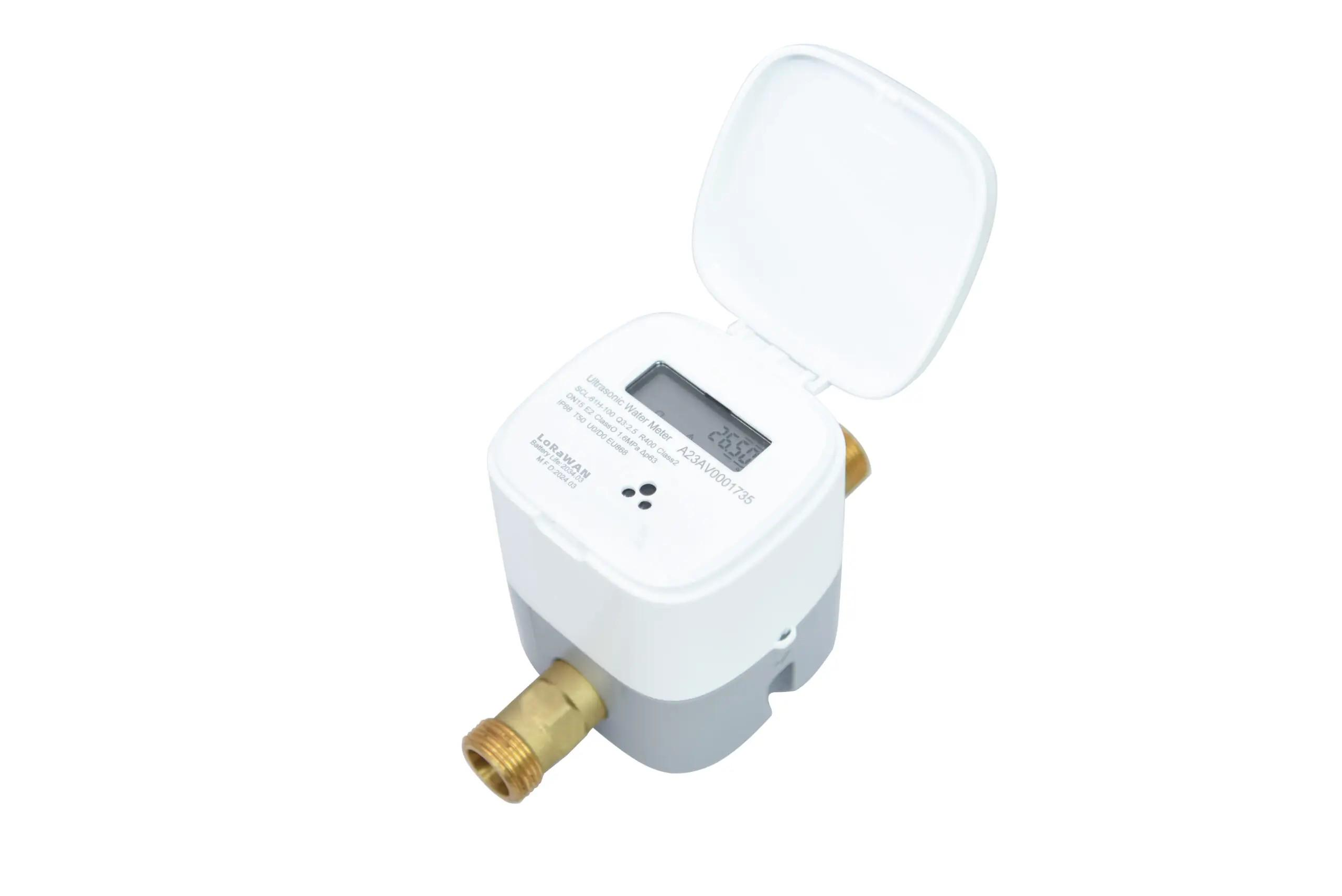
Can a Faulty Water Meter Cause Low Pressure
A water meter creates some pressure loss whenever water flows through it because the device adds resistance to the water path. Under normal conditions, that loss is accounted for in system design. Problems arise when resistance becomes greater than expected, such as when internal passages are obstructed, a meter is poorly sized for demand, or a related valve is not fully open.
The City of Azusa lists an old water meter as one possible cause of low water pressure and notes that an unsuitable relationship between service line size and meter size may also affect pressure. Water meter management guidance likewise explains that meters create pressure loss and that blocked strainers can increase that loss significantly.
This does not mean a meter is automatically defective whenever a shower becomes weak. The location and pattern of the problem provide better clues than the meter alone.
Why Pressure and Flow Should Not Be Confused
Pressure and flow are related but different. Static pressure is measured when little or no water is moving. Flow describes how much water passes through the plumbing over time. A restriction can allow acceptable static pressure while causing a noticeable pressure drop once several fixtures demand water.
For that reason, a restrictive meter or valve may be more obvious during high demand. One faucet might appear normal, but pressure can fall when multiple taps, appliances, or irrigation zones operate together. This is why diagnosis should include conditions both with and without significant water flow.
Where Other Causes Usually Appear
If only one faucet or shower has weak flow, the meter is unlikely to be the first suspect. The City of Toronto advises that low pressure affecting only one tap or one section usually indicates a private plumbing issue. A clogged aerator, fixture cartridge, or local valve may be responsible.
If pressure is low throughout the building, the investigation should move upstream. San Diego identifies a failed pressure regulator, shared demand, water main work, and leaks as possible causes. San Jose Water also lists leaking mains, leaking service lines, shut meter valves, house valves, and malfunctioning pressure regulators.
These official troubleshooting lists show why can a faulty water meter cause low pressure should be treated as a diagnostic question rather than an assumption. A whole property symptom narrows the search, but it still does not identify one component without testing.
How to Narrow Down the Cause
Start by determining whether the problem is isolated or property wide. Check several fixtures on different branches. If only one is affected, inspect the local fixture and its shutoff. If all fixtures are affected, confirm that accessible customer side shutoff valves are fully open.
Next, compare pressure behavior when no water is being used with pressure while water is flowing. A large drop under demand can indicate a restriction or supply limitation. Utilities may also have service notices that explain temporary low pressure caused by main work or other network conditions.
Leaks should be considered before replacing a meter. A damaged service line can reduce available flow and pressure, and a malfunctioning pressure reducing valve can restrict water throughout a building. When the cause remains unclear, a licensed plumber or the water utility can determine which side of the meter requires attention.
What an Integrated Valve Changes
Modern smart meters can combine measurement with other functions, which makes diagnosis more specific. Our HKT LORA LoRaWAN Ultrasonic Valve Controlled Water Meter uses ultrasonic measurement and includes remote valve control. The official product page states that cumulative flow and battery information can be transmitted to nearby LoRaWAN gateways and that the system can report valve failure.
In a valve controlled meter, it is important to distinguish the measuring function from the valve function. A problem with an integrated valve that prevents it from opening correctly could restrict flow, while a communications problem would not by itself create a physical restriction in the water path.
The published HKT product specification lists LoRaWAN frequency options of 433 to 510 MHz or 863 to 928 MHz and a working temperature range from minus 20 to plus 55 degrees Celsius. Those figures describe device operation and wireless configuration rather than household water pressure.
Diagnose Before Replacing the Meter
One common troubleshooting question is can a faulty water meter cause low pressure. A faulty or partially obstructed meter can contribute to reduced flow, but similar symptoms may also result from closed valves, pressure regulators, service-line problems, utility conditions, or restrictions in the building’s plumbing. Before replacing the meter, the pressure loss should be traced to its source so that the actual cause can be identified.
At HKT LORA, we view water metering as one part of a complete water management system. Accurate measurement, suitable sizing, valve operation, correct installation, and network functions each have different roles. Understanding those roles helps operators distinguish a metering issue from a broader plumbing or supply problem and choose the appropriate technical response.