

Can a Water Meter Freeze During Winter
Cold weather creates a practical question for building owners, utilities, and facility managers. At HKT LORA, we work with connected water metering systems, so we separate the physical effect of freezing water from the electronic functions of a smart meter.
When people ask can a water meter freeze, the answer is yes. Water meters and connected pipes can be exposed to temperatures low enough for the water inside to freeze. New York City DEP and DC Water warn that meters located outdoors, in unheated garages, basements, crawl spaces, or other cold areas require protection during freezing weather.
Why Freezing Can Damage a Meter
Water expands when it freezes. If water trapped inside a meter or nearby pipe turns to ice, the expansion can place pressure on internal parts, joints, housings, or connected plumbing. The result may be loss of water service, leakage, or physical damage after thawing.
The risk depends on installation conditions. A meter in a heated interior space is less exposed than one beside an exterior wall or inside an unheated enclosure. Drafts, poor insulation, and prolonged cold can lower the temperature around the meter even when the rest of a building remains warmer.
Public utilities therefore focus on prevention. Their guidance includes closing exterior openings, insulating exposed meters and pipes, allowing warmer indoor air to circulate around plumbing, and taking extra care with meters in unheated locations.
Working Temperature Does Not Mean Freeze Proof
A product specification can create confusion if read without context. An electronic water meter may have a published operating temperature range, but that figure does not automatically mean water inside the plumbing cannot freeze.
This distinction matters when evaluating can a water meter freeze in relation to a smart ultrasonic meter. The electronics, communication module, and sensing system have specified operating conditions. Water passing through the meter remains subject to the freezing behavior of water and to the thermal conditions of the installation.
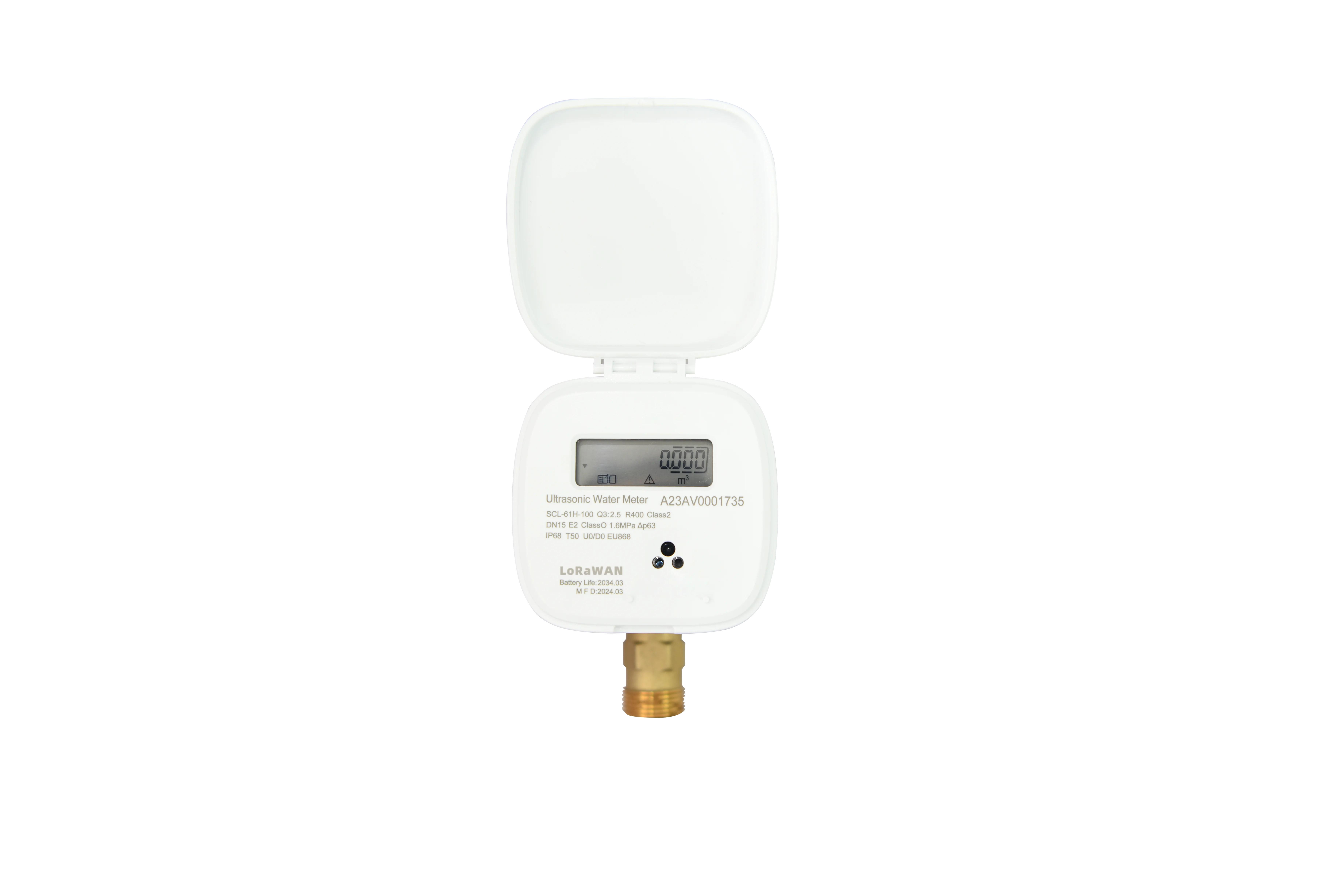
For example, our LoRaWAN Ultrasonic Valve Controlled Water Meter lists a working temperature range of minus 20 to plus 55 degrees Celsius. That is a documented device specification. It should not be interpreted as a guarantee that water inside an exposed installation cannot freeze at subzero ambient temperatures.
How Ultrasonic Metering Fits the Picture
Ultrasonic water meters measure flow without relying on rotating measuring components used in traditional mechanical designs. HKT LORA describes its meter as using ultrasonic technology and an all electronic measuring design. The meter periodically sends cumulative flow and battery level data to nearby LoRaWAN gateways, which forward the information toward the cloud platform.
These communication functions do not prevent freezing. LoRaWAN provides the wireless data path while the ultrasonic system performs flow measurement. Cold weather protection remains an installation and plumbing consideration.
The product page also states that the meter supports remote valve control and stores data history locally during network interruptions before reuploading it after connectivity returns.
Signs That Freezing May Be the Problem
A sudden loss of water during freezing weather can indicate that a pipe, service line, or meter has frozen, although other causes are possible. New York City DEP notes that when outdoor temperatures are at or below 32 degrees Fahrenheit and water stops running, there is a good chance that a water line or meter may be frozen.
Operators should identify whether the problem affects one fixture, part of a building, or the entire water service. Visible cracks, leaking after thawing, or damage around fittings can indicate that professional inspection is needed.
Safe Responses to a Frozen Meter
If a meter or nearby pipe appears frozen, the priority is controlled, gradual warming. Public utility guidance recommends a hair dryer, heat lamp, or appropriate space heater directed toward the affected area. Open flames should never be used because they create fire and steam related hazards.
Property owners should also check local utility responsibilities before attempting work on the meter itself. Ownership and repair responsibilities vary by water provider. Some utilities maintain the meter, while customers are responsible for plumbing on their side of the service connection.
For prevention, insulation should be kept dry and intact, cold drafts reduced, and heat allowed to circulate around vulnerable plumbing. Outdoor hoses can also be disconnected and exposed outdoor lines drained where appropriate.
What Smart Meter Buyers Should Check
Cold climate projects require more than comparing communications specifications. Buyers should review the meter operating temperature, installation location, enclosure conditions, pipe insulation, maintenance access, and local utility requirements for freeze protection.
Our product specification also lists LoRaWAN frequency options of 433 to 510 MHz or 863 to 928 MHz and a maximum line of sight communication distance of 15 kilometers between the gateway and meter module. Those values describe communication capability and should be evaluated separately from environmental protection.
So when project teams ask can a water meter freeze, the useful answer is not simply yes. The real issue is whether the installation exposes water filled components to freezing conditions and whether suitable preventive measures have been designed into the site.
Protecting Metering Systems in Cold Conditions
We see reliable water metering as a combination of appropriate device selection, correct installation, network planning, and ongoing maintenance. Smart functions can improve data collection and remote management, but they do not replace basic protection against cold weather.
For utilities, property managers, and system integrators working in freezing climates, winter planning should start with the meter location and surrounding pipework. Keeping the installation protected while following the documented operating conditions of the selected meter provides a practical approach to maintaining water service and connected metering functions.