

The growing complexity of urban environments has necessitated the advancement of smart technologies in various sectors, particularly in parking management. Smart parking ground sensors, specifically those utilizing LoRaWAN technology, have emerged as vital tools for cities seeking to improve operational efficiency and enhance user experience. This article delves into how our smart parking ground sensors leading LoRaWAN companies, including HKT LORA, revolutionize urban parking management.
Advantages of LoRaWAN Technology in Parking Solutions
LoRaWAN (Long Range Wide Area Network) technology is increasingly being adopted in smart parking solutions due to its high efficiency and expansive coverage. The ability of LoRaWAN to transmit data over long distances while consuming minimal energy makes it particularly suitable for urban settings, where numerous parking sensors are deployed.
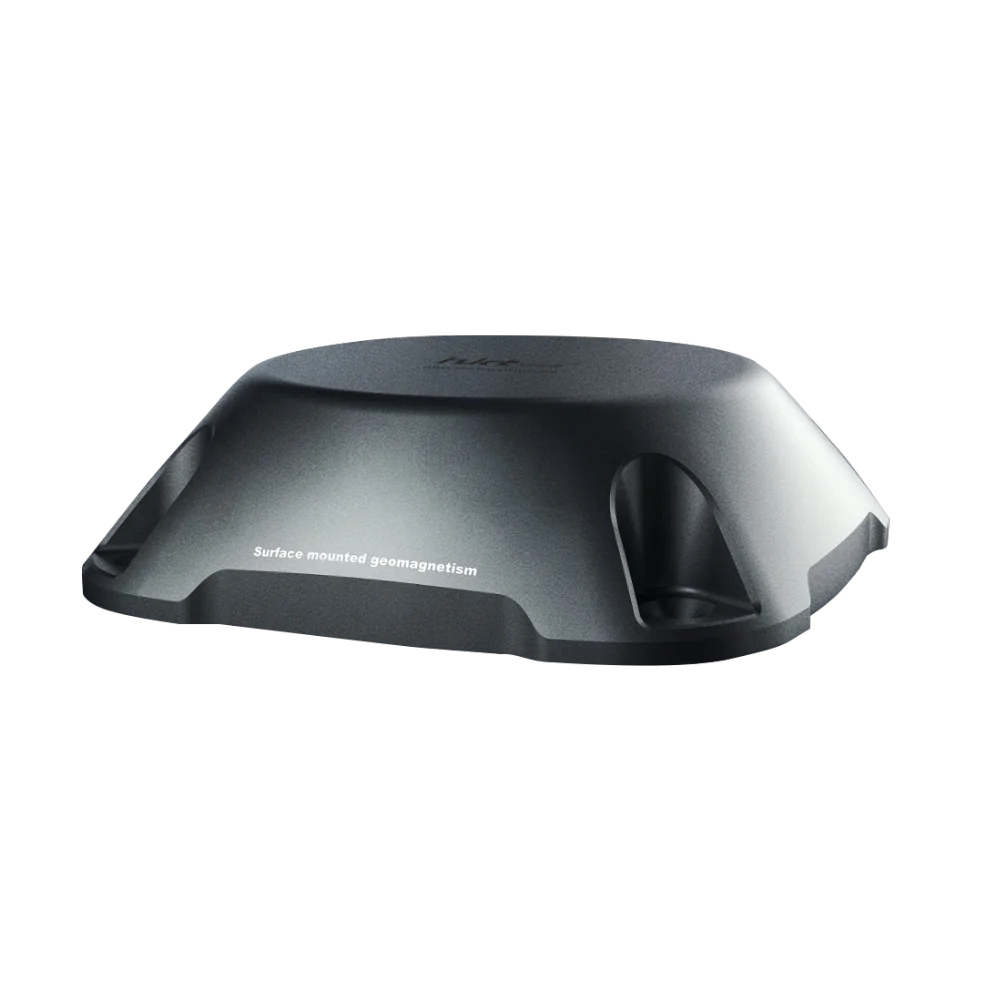
Smart parking ground sensors from LoRaWAN companies provide real-time data regarding the availability of parking spaces. For example, our ground-mounted parking sensors deliver highly accurate real-time occupancy status updates. When a vehicle occupies or vacates a parking spot, this information is swiftly communicated to a central system, allowing for effective management of parking resources.
Incorporating these sensors into urban infrastructure facilitates better decision-making by parking managers. By leveraging the data generated from these sensors, cities can optimize parking fees, enhance space utilization, and reduce traffic congestion caused by drivers searching for available spots.
Enhancing User Experience through Integrated Solutions
User experience is paramount in modern urban settings, and smart parking ground sensors significantly contribute to this goal. The integration of our company’s parking management systems with advanced software platforms ensures a seamless interaction between users and parking facilities.
Through mobile applications and digital signage, motorists can receive real-time information about available parking spaces, thus reducing the time spent searching for a spot. These systems also enhance security through monitoring capabilities, making urban parking areas safer for users.
Moreover, the integration of smart parking ground sensors with building management systems has been revolutionary. In environments such as malls and office buildings, these solutions allow for comprehensive management of parking resources. Facilities can adjust parking allocations based on demand, ensuring that users have access to available spaces when needed, which in turn boosts operational efficiency.
Addressing Urban Parking Challenges
Despite the benefits of adopting smart parking technologies, urban parking management presents various challenges. High demand for limited parking spaces, inefficient use of existing resources, and lack of real-time data often hinder effective parking solutions.
Our company HKT LORA‘s LoRaWAN parking ground sensors effectively solve these urban parking pain points by providing actionable data that enables cities to manage parking more effectively. The intelligence provided by these sensors facilitates proactive measures, such as adjusting parking pricing during peak times to encourage turnover and optimize usage.
Furthermore, the deployment of these sensors assists in identifying patterns related to parking behavior, helping urban planners design better infrastructures in line with user needs. This data-driven approach not only improves current parking conditions but also informs future developments in urban planning.
Transforming Urban Parking Management for a Smarter Future
In summary, our company HKT LORA LoRaWAN parking ground sensors and industry-leading solutions, are pivotal in transforming urban parking management. Their capability to provide real-time data, enhance user experience, and address critical challenges in parking systems positions them as essential tools for cities striving for smarter solutions. By investing in these technologies, urban centers can expect to see significant improvements in operational efficiency and user satisfaction in their parking facilities.