

Water damage presents a consistent and costly threat to critical infrastructure. For facilities managers and operations directors, the question is not just about detecting a leak, but about implementing a monitoring solution that is both highly reliable and operationally efficient. At HKT LORA, we provide testing and validation services that help businesses deploy robust IoT systems. Our work has shown us the distinct value of specialized devices like the LoRaWAN water leak sensor, particularly the cable tape variety, in building a resilient asset protection strategy.
The Design Philosophy Behind Cable Leak Detectors
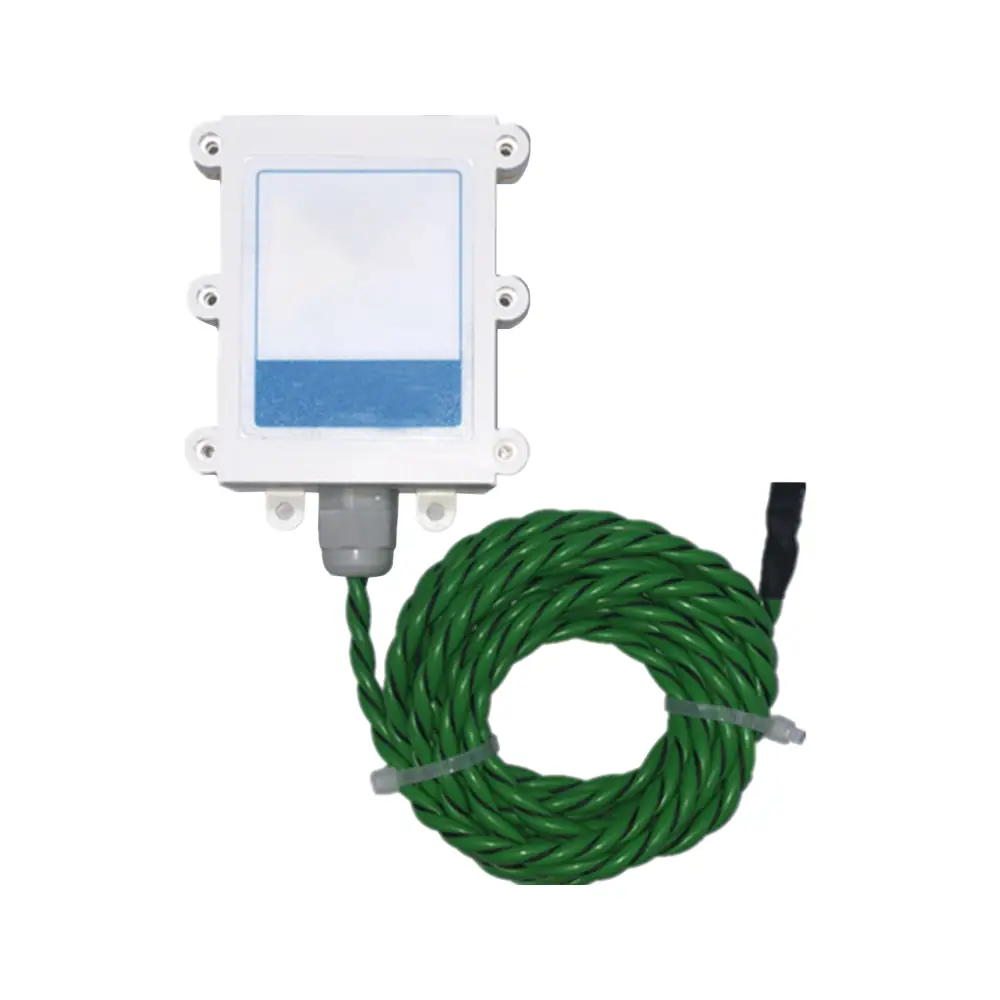
A cable-style LoRaWAN water leak sensor operates on a straightforward yet highly effective principle. The core component is a flexible detection rope with a double helix structure of sensing wires. When any point along this cable encounters water, the liquid creates a conductive path, triggering a change in electrical resistance that the sensor unit instantly recognizes as a leak event. This design offers a significant advantage over single-point sensors by protecting a much larger area—such as the entire perimeter of a room, the length of a pipe run, or beneath a raised floor. The 3-meter standard cable, with options for customization, allows for tailored coverage that meets the specific layout of a space, from server rooms to archive storage.
Why LoRaWAN Protocol is a Game-Changer for Deployment
The effectiveness of any leak detector is amplified by its communication network. This is where the integration of the standard LoRaWAN™ protocol becomes critical. A LoRaWAN water leak sensor transmits its alert signal wirelessly over long distances, penetrating dense building materials like concrete and steel that often challenge traditional Wi-Fi. This eliminates the need for complex and expensive wiring during installation, making it ideal for retrofitting into existing buildings. The omnidirectional antenna on our referenced devices further simplifies setup, allowing for flexible placement to ensure the strongest possible connection to the network gateway, which is essential for reliable alarm notification.
Operational Longevity and Real-World Application
A major consideration for any wireless IoT solution is power management. The advanced LoRaWAN water leak sensor models we evaluate are designed with ultra-low power consumption and are powered by a built-in 4000mAh battery. This combination ensures years of maintenance-free operation, reducing the total cost of ownership and eliminating a recurring administrative task for facility teams. This reliability makes the system perfectly suited for protecting sensitive environments where undetected water ingress can lead to catastrophic losses. We see their application as vital in safeguarding communication base stations, precision machine rooms, and cultural preservation sites like libraries and museums.
Implementing a cable-based detection system represents a proactive step in infrastructure management. The technology provides a comprehensive early-warning system that mitigates risk and prevents operational downtime. For businesses looking to fortify their physical assets against water damage, the combination of extensive cable coverage, robust wireless communication, and long-term power autonomy offers a compelling solution. At HKT LORA, our testing services help ensure that these critical monitoring systems perform to their highest potential, providing the confidence our clients need to protect their valuable investments.