

In the rapidly evolving landscape of the Internet of Things (IoT), connectivity and data management have become the foundation of every successful solution. At HKT LORA, we are often asked by our partners and clients: what is a LoRaWAN stack, and why is it such a crucial element in IoT networks? As an experienced IoT solution provider, we believe that understanding this concept helps businesses make smarter, more scalable decisions when deploying connected systems across industries.
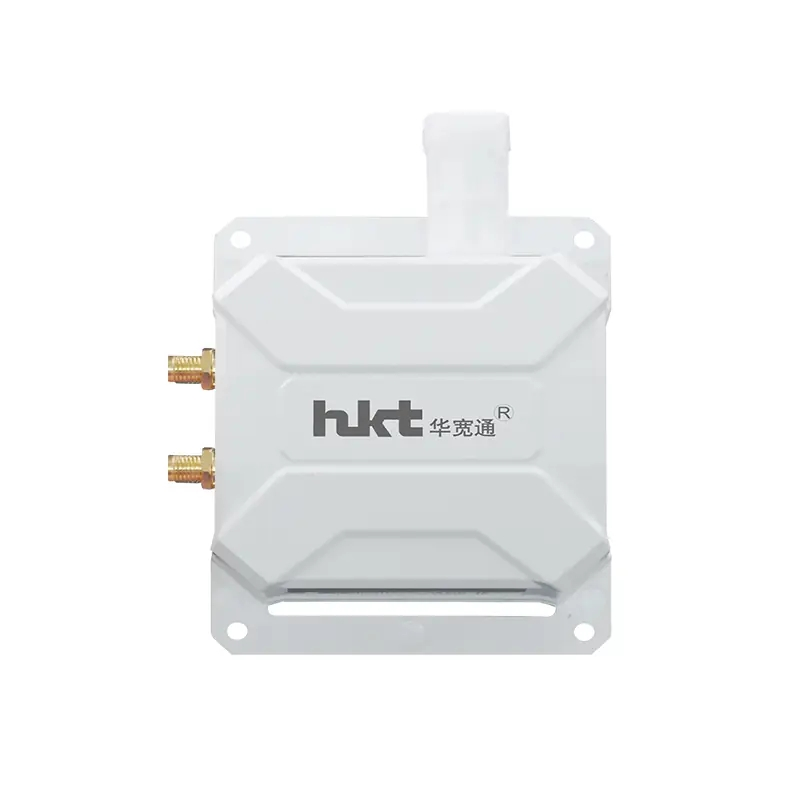
What Is a LoRaWAN Stack and Why It Matters
So, what is a LoRaWAN stack? In simple terms, it is the structured set of communication layers that enable data to move between IoT sensors, gateways, and cloud platforms using LoRaWAN technology. The stack defines how devices connect, how messages are encrypted and transmitted, and how applications interpret that data. This architecture ensures reliable, long-range, and low-power communication — which is exactly what makes LoRaWAN a preferred choice for large-scale IoT deployments.
At HKT LORA, we design and develop IoT solutions with a complete understanding of how the LoRaWAN stack functions. This allows our products to seamlessly integrate into existing infrastructures, ensuring that every data packet sent from a remote sensor reaches its destination securely and efficiently. Whether it’s a smart agriculture system monitoring soil conditions or a city-wide environmental network collecting air quality data, the performance of the LoRaWAN stack is key to success.
The Core Layers of a LoRaWAN Stack
When discussing what is a LoRaWAN stack, it’s important to understand its main components. The stack typically consists of three primary layers:
1.Physical Layer (LoRa Modulation): This is where the signal transmission occurs using low-frequency radio waves. It enables devices to communicate over long distances with minimal power.
2.MAC Layer (Medium Access Control): This layer manages how devices access the network, ensuring organized communication and collision avoidance.
3.Application Layer: This is where data is processed, interpreted, and delivered to end-user platforms for decision-making.
At HKT LORA, our engineers optimize each layer of the LoRaWAN stack for superior reliability and performance. By fine-tuning hardware and software interactions, we ensure that our IoT devices achieve the ideal balance of range, battery life, and data accuracy.
Why Businesses Trust HKT LORA for LoRaWAN Solutions
Our clients come to HKT LORA not only for devices but for complete IoT ecosystems. We don’t just answer what is a LoRaWAN stack — we apply that knowledge to deliver fully functional, field-tested solutions. From hardware customization to network deployment and cloud integration, our expertise ensures seamless interoperability.
Moreover, we adhere to international certification standards to guarantee product quality and security. Our IoT sensors and gateways are designed to work across multiple industries, including smart cities, logistics, agriculture, and industrial automation. The deep understanding of what is a LoRaWAN stack allows us to deliver reliable connectivity that scales effortlessly with your business needs.
Conclusion
To fully harness the potential of IoT, companies must understand what is a LoRaWAN stack and how it supports efficient, long-range data communication. At HKT LORA, we bring years of experience and innovation to help organizations deploy scalable, secure, and high-performing IoT networks. Whether you are building a smart city infrastructure or optimizing an industrial process, our LoRaWAN-based solutions are built to empower your success.
HKT LORA continues to innovate and educate the industry, ensuring that every client has the tools and knowledge to transform their operations through the power of IoT. Understanding the LoRaWAN stack is just the beginning — and with HKT LORA by your side, the possibilities for smart, connected solutions are limitless.