

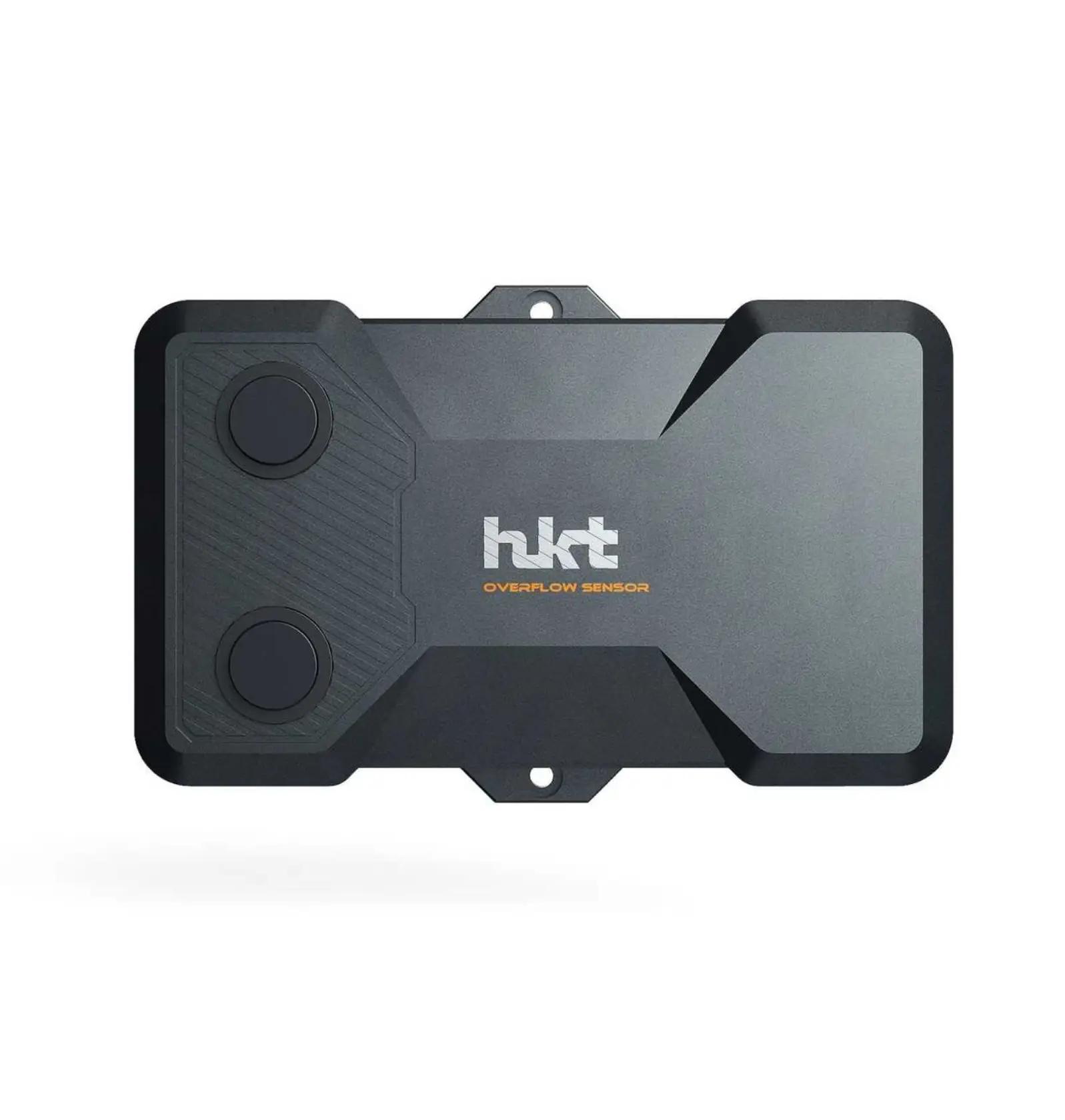
In the world of smart city solutions, the debate between laser vs ultrasonic distance sensor technology has become increasingly relevant. Both technologies play a major role in how we measure, monitor, and manage distance in IoT systems. At HKT LORA, we’ve dedicated years of innovation to developing high-performance sensing devices, and our HKT-UDS100 smart bin sensor is a perfect example of how ultrasonic technology can transform waste management efficiency.
Unlike many off-the-shelf devices, our HKT-UDS100 was independently designed and developed by Hunan HKT Technology Co., Ltd. It’s not just a product—it’s a reflection of our engineering expertise in combining advanced sensor technology and LoRaWAN data communication. When comparing laser vs ultrasonic distance sensor technologies, we recognize that each serves distinct purposes—but our experience shows that ultrasonic sensors are often more reliable for real-world waste monitoring scenarios.
From Light Beams to Sound Waves: Understanding the Core Difference
When evaluating laser vs ultrasonic distance sensor performance, the most fundamental difference lies in the principle of detection. Laser sensors rely on precise beams of light to measure distance, delivering extreme accuracy in clean, controlled conditions. However, in outdoor or harsh environments—like trash collection zones—factors such as dust, moisture, and uneven surfaces can disrupt optical readings.
Ultrasonic sensors, by contrast, emit high-frequency sound waves to detect the distance between the sensor and the target object. This makes them more adaptable to variable conditions. In the case of our HKT-UDS100 smart bin sensor, this flexibility is critical. The device uses ultrasonic technology to monitor the overflow status of trash bins, detect fill levels, and record operational data in real time—all with consistent accuracy even in dusty or wet surroundings.
That’s one of the biggest reasons we focus on ultrasonic technology within our HKT LORA portfolio: stability and adaptability in unpredictable outdoor environments.
Empowering IoT with Reliable Connectivity and Intelligent Design
At HKT LORA, we believe that sensor technology alone isn’t enough—connectivity defines true smart performance. Our HKT-UDS100 integrates seamlessly with LoRaWAN networks, providing long-distance communication with minimal power consumption. This allows operators to monitor hundreds of waste bins remotely, without frequent maintenance.
We also focus on hardware optimization and software algorithms to enhance reliability and accuracy. Through thoughtful engineering, our team ensures that every IoT distance sensor we produce operates with stability even under challenging field conditions. Our devices support both AT command sets and SDKs, allowing system integrators and developers to easily configure and adapt them to specific applications.
Whether you’re comparing laser vs ultrasonic distance sensor systems for logistics, manufacturing, or smart cities, we’ve found that combining ultrasonic detection with LoRaWAN connectivity offers a more balanced approach—reliable data at a competitive cost.
Custom Engineering for Enterprise Partners
What sets HKT LORA apart isn’t just our technology—it’s our commitment to partnership. We understand that every enterprise customer has unique project needs, and we provide customized product design, R&D, and manufacturing services to meet those requirements.
Our HKT-UDS100 and other LoRaWAN-based sensors are built with a focus on long lifespan, IP67-rated protection, and low-power performance—enabling 5 to 10 years of battery life depending on the deployment scenario. For companies managing city waste systems, parking spaces, or other remote monitoring applications, this means lower maintenance costs and reliable long-term performance.
By offering both high-quality manufacturing and competitive pricing, we make it easier for global partners to scale smart sensing solutions that actually deliver measurable results.
Conclusion
As we continue developing advanced IoT products, we’ve learned that the choice between laser vs ultrasonic distance sensor isn’t just about precision—it’s about practicality. Lasers may excel in precision, but ultrasonics, especially in our HKT-UDS100, offer unmatched reliability in complex, outdoor, and industrial environments.
At HKT LORA, our mission is to create sensing solutions that empower smarter cities and more efficient operations. Through continuous innovation, robust design, and flexible integration, we’re bridging the gap between accuracy and adaptability—helping enterprises turn data into meaningful action.