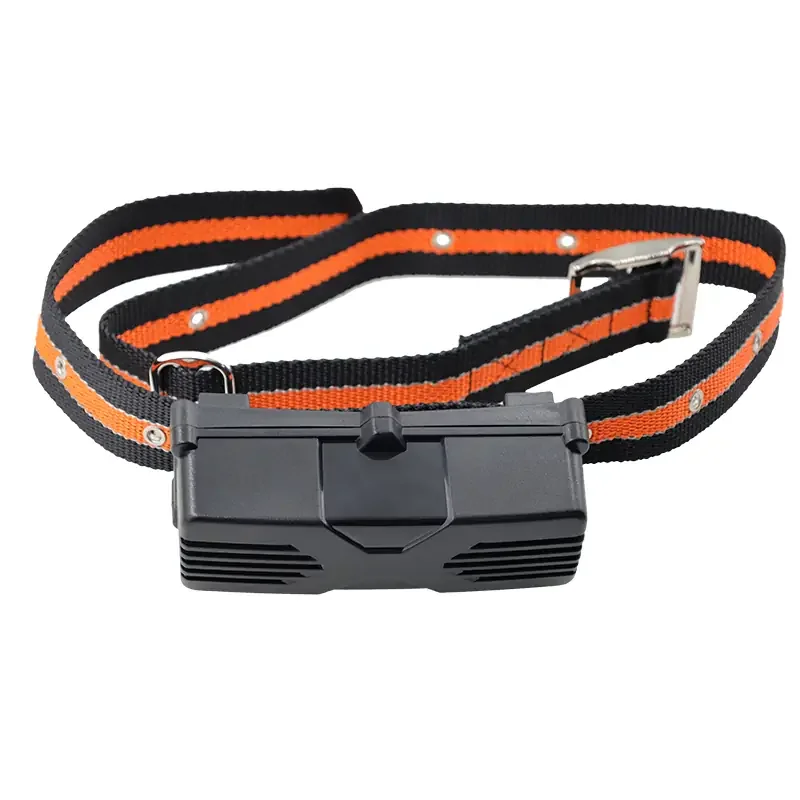
When we first considered how to improve our IoT networks on the farm, the question of how to update AWS IoT Core for LoRaWAN quickly became central to our strategy. At HKT LORA, we understand that keeping AWS IoT Core up to date is essential for maintaining seamless connectivity with our devices, especially when managing large-scale deployments like livestock tracking. One of the tools that has revolutionized our operations is the HKT-GAT-100, a LoRaWAN-based GPS cattle tracker designed for continuous, reliable monitoring. With its 38,000 mAh lithium-ion battery, the device operates for more than a year without requiring replacement, allowing us to focus on farm operations rather than maintenance.
Preparing Devices and Gateways
Before performing any updates to AWS IoT Core for LoRaWAN, our team makes sure all devices, including the HKT-GAT-100 trackers, are running the latest firmware versions. Compatibility is key—our LoRaWAN gateways need to communicate effectively with AWS IoT Core. With guidance from HKT LORA, we confirm that each gateway supports the correct frequency band and has the necessary capacity to handle all connected devices. This preparation ensures that updates can be applied without interruptions, and data from our trackers continues to flow seamlessly.
We’ve found that having a well-structured network of gateways and devices makes the update process smoother. By grouping devices according to location and function, we can monitor performance and quickly identify any issues that arise during the update. The HKT LORA support team has been instrumental in helping us plan these steps, providing technical advice and troubleshooting resources tailored to LoRaWAN deployments.
Executing the Update
Updating AWS IoT Core for LoRaWAN involves several critical steps. First, we back up all configuration settings to prevent data loss. Next, we carefully apply updates to the network server platform, ensuring that it remains compatible with HKT-GAT-100 trackers. These GPS collars continuously upload cattle location data to our LoRaWAN gateways, so maintaining uninterrupted connectivity is crucial.
During the update, we also check that device credentials, OTAA/ABP settings, and message routing are correctly configured. HKT LORA provides a simple AT command set and SDK tools, which allow us to program devices remotely and verify connectivity without physically accessing each tracker. This approach significantly reduces labor and ensures a smooth transition during updates.
Post-Update Verification and Optimization
After completing the update, we conduct a series of tests to verify that the AWS IoT Core integration works flawlessly. We check that the HKT-GAT-100 collars continue to report real-time location data and that the network server accurately records uplink intervals. Our team also monitors battery status and communication range to confirm that the trackers maintain reliable performance.
Using the updated AWS IoT Core, we can optimize device behavior, adjust data reporting schedules, and enhance monitoring features. This not only improves operational efficiency but also gives us peace of mind knowing that our livestock management system is robust and future-ready.
Conclusion
Any company that uses LoRaWAN devices for remote monitoring must know how to update AWS IoT Core for LoRaWAN. We have revolutionized livestock tracking with the use of HKT LORA and cutting-edge equipment like the HKT-GAT-100 GPS cow tracker. The procedure is efficient, dependable, and designed for extensive IoT activities, from planning and implementation to post-update verification. We maintain our farm management’s accuracy, efficiency, and readiness for expansion by updating our IoT core.