

If you’re looking to expand your IoT infrastructure, understanding how to install AWS IoT Core for LoRaWAN is a crucial first step. At HKT LORA, we guide our clients through the entire process, helping them deploy gateways and sensors that connect seamlessly to the cloud. The right hardware and proper configuration ensure that your LoRaWAN devices communicate efficiently, providing reliable, real-time data for smart applications.
When our team works with clients to explain how to install AWS IoT Core for LoRaWAN, we emphasize that success depends not just on cloud software but also on selecting the right gateway and ensuring sensor compatibility.
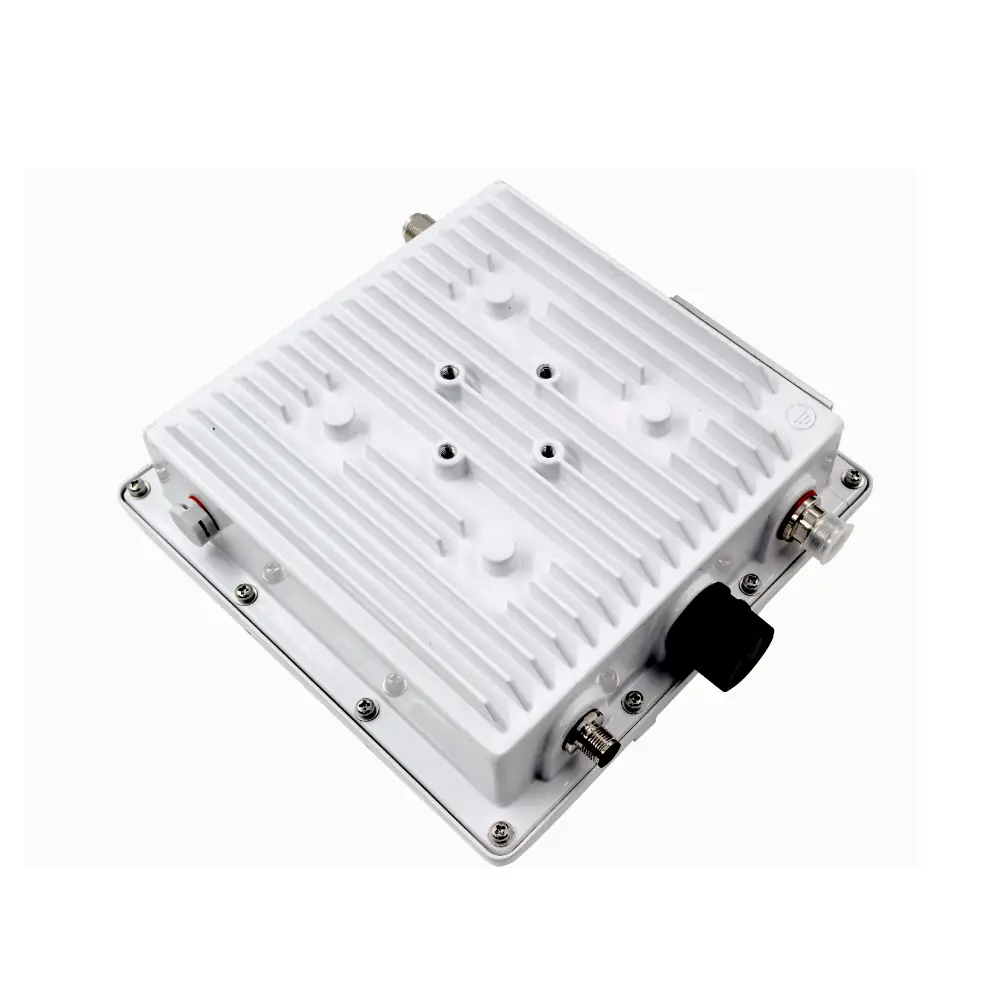
Choosing the Right HKT LORA Gateway
Before you even start the installation process, selecting the correct HKT LORA LoRaWAN Gateway is critical. Our outdoor IP67-rated gateway features 8 channels and supports Ethernet, Wi-Fi, and cellular connectivity. It’s compatible with multiple network server platforms, including AWS, TTN, ChirpStack, Loriot, and Everynet, providing flexible options for data management and processing.
We often remind our clients that a high-performance gateway is the backbone of any LoRaWAN network. With the X1302 LoRa chip and a quad-core CPU, our gateway can connect with over 2,000 nodes, allowing businesses to scale their networks as requirements grow. This ensures smooth data transmission even when multiple sensors are active simultaneously.
Range and Environmental Reliability
A significant part of learning how to install AWS IoT Core for LoRaWAN involves understanding the physical deployment of your gateways. The HKT LORA outdoor gateway is designed to operate over long distances, offering a line-of-sight range of up to 15 km. Its IP67 waterproof casing makes it ideal for outdoor environments, including smart agriculture, smart metering, and environmental monitoring.
We emphasize that durability is as important as connectivity. A gateway that withstands weather conditions ensures continuous network performance, reducing maintenance needs and downtime. This reliability is especially valuable for large-scale enterprise applications where consistent data flow is essential.
Integration Considerations and Device Capacity
When installing AWS IoT Core for LoRaWAN, you need to consider frequency compatibility and network server alignment. Ensure that your gateway and sensors operate on the same frequency band, such as 868 MHz or 915 MHz, to prevent communication issues. Additionally, verify that the gateway can connect with your chosen network server to enable seamless data transfer.
Our HKT LORA gateway also supports a large number of nodes, which is critical for scaling enterprise networks. Whether you’re deploying hundreds or thousands of sensors, this capacity ensures that your system can grow without sacrificing performance. We also advise clients to evaluate the specific needs of their application, from smart agriculture to industrial monitoring, to ensure optimal sensor and gateway alignment.
Conclusion
Beyond the software, choosing the appropriate hardware, making sure it’s compatible, and accounting for operating and environmental requirements are all important components of installing AWS IoT Core for LoRaWAN. An excellent option for enterprise IoT applications, our HKT LORA LoRaWAN Gateway provides high-capacity connectivity, environmental resilience, and platform flexibility. Accurate, real-time data gathering and reliable cloud connectivity are made possible by successfully integrating LoRa sensors into your network by adhering to these best practices.