

When customers ask us, “How do ultrasonic sensors measure distance?”, we often begin by explaining the elegant simplicity behind a highly technical process. Ultrasonic sensors use high-frequency sound waves that reflect off objects and measure the time it takes for the echo to return. The sensor’s internal system then calculates distance based on the speed of sound and the time delay. This non-contact measurement method is incredibly safe, accurate, and reliable — ideal for industrial automation and smart monitoring applications.
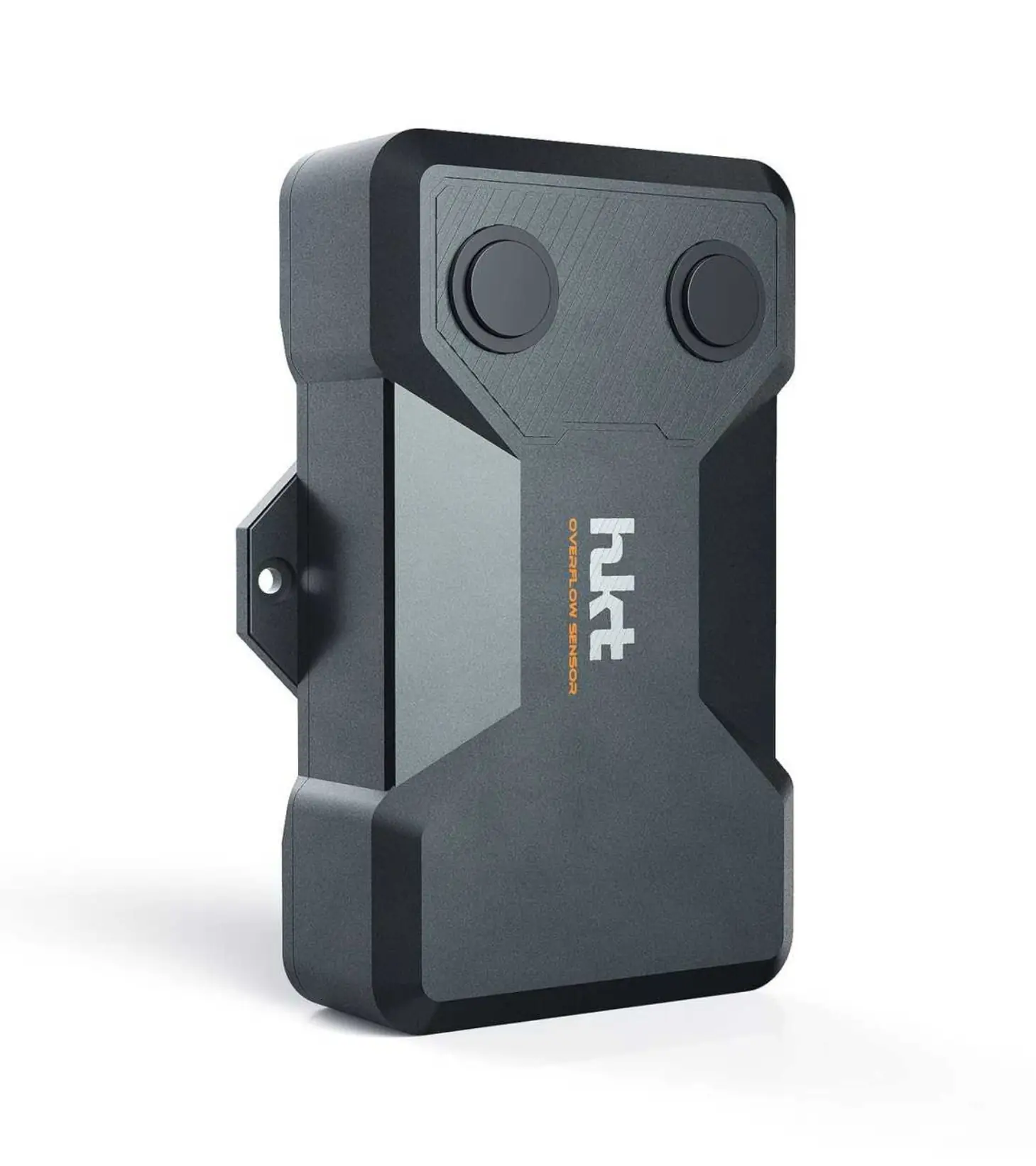
At HKT LORA, we designed our LoRaWAN Ultrasonic Distance Sensor to go beyond standard performance. With a detection range of 3–450 cm, a small blind zone of just 3 cm, and built-in temperature compensation, our sensors provide real-time, high-precision readings even in fluctuating environments. For us, it’s not just about knowing how ultrasonic sensors measure distance — it’s about redefining the reliability of those measurements.
Integration with IoT: Connecting Precision with Communication
In today’s IoT landscape, data accuracy means little without robust connectivity. That’s why we’ve integrated our sensors with LoRa spread spectrum communication technology. Leveraging LoRaWAN allows our devices to transmit data across distances up to 5 kilometers in open environments while consuming minimal power. The result? Extended battery life — up to 10 years, depending on usage — and reduced maintenance frequency for our clients.
When people explore how ultrasonic sensors measure distance in networked environments, they quickly realize that stable, low-power data transmission is the missing link. HKT LORA bridges that gap by merging sensing accuracy with an unmatched communication range. Our sensors are compatible with standard LoRaWAN® gateways and can easily integrate into existing IoT networks, ensuring seamless scalability.
Designing for Reliability and Durability in Harsh Environments
We understand that industrial clients value longevity and performance consistency above all else. That’s why our IP67 waterproof sensors feature flame-retardant housing, making them suitable for challenging outdoor and industrial conditions. Built-in three-axis accelerometers monitor device tilt, while Bluetooth OTA capabilities simplify maintenance. Whether installed for waste bin monitoring, parking management, or fluid level detection, our devices continue to deliver reliable readings day after day.
From non-contact detection to real-time posture perception, our ultrasonic sensors operate with precision and endurance. For us, understanding how ultrasonic sensors measure distance goes hand in hand with designing sensors that can perform anywhere, from harsh weather conditions to smart urban infrastructures.
Conclusion
At HKT LORA, we believe that measuring distance isn’t just about knowing numbers — it’s about building smarter, more connected systems. By combining ultrasonic accuracy with LoRaWAN connectivity, we’re helping industries improve decision-making, efficiency, and sustainability.
When businesses ask how ultrasonic sensors measure distance effectively, our answer is simple: through innovation, reliability, and a relentless focus on performance.